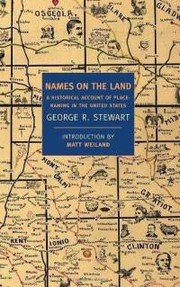
President Trump’s order calling Lake Ontario “Lake America” applies only in the United States, while the water remains shared with Canada. George Rippey Stewart’s Names on the Land offers a historical frame for the contradiction: governments can prescribe names more easily than they can make communities accept them.
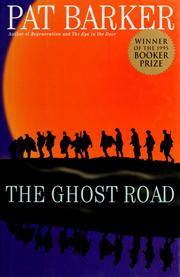
Pat Barker’s novel moves the First World War beyond the battlefield and into hospitals, damaged minds, psychiatric knowledge, and literary witness. Its wager is that combat cannot be understood by military narrative alone.
Tariff threats and talk of Canadian statehood assume that market access should follow political membership. Harold Innis’s commodity-centered economic history starts from the opposite complication: trade and sovereignty often occupy different maps.
Early coverage of Téa Obreht’s Sunrise keeps placing nature beside secrets, myths, and historical legacy. That convergence raises a useful possibility: landscape can preserve the past while making it harder to read.
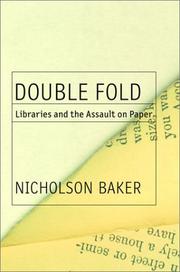
A report that Amazon is buying books, scanning them for AI training, and destroying the copies revives the problem Nicholson Baker placed at the center of Double Fold. Information can survive extraction even as the evidence that carried it disappears.