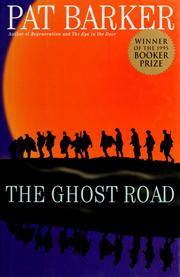
Pat Barker’s novel moves the First World War beyond the battlefield and into hospitals, damaged minds, psychiatric knowledge, and literary witness. Its wager is that combat cannot be understood by military narrative alone.
Early coverage of Téa Obreht’s Sunrise keeps placing nature beside secrets, myths, and historical legacy. That convergence raises a useful possibility: landscape can preserve the past while making it harder to read.
The early descriptions of Gwendoline Riley’s The Palm House pair abrasive relatives with exceptional dialogue. That combination points to a harder truth about family conflict: power often resides not in what people feel, but in the conversational roles they have learned to enforce.